6 months
A first comprehensive infant eye assessment establishes healthy visual development from the start.

Pediatric eye exams
Vision problems in children often go undetected — kids don't know what “normal” vision looks like. Early, kid-friendly exams protect their learning, development, and long-term eye health.
When to come in
The American Optometric Association recommends a first detailed eye exam at six months old — and earlier if there's any sign of an issue.
A first comprehensive infant eye assessment establishes healthy visual development from the start.
Preschool exams catch amblyopia (lazy eye), strabismus, and focusing problems while they're most treatable.
Annual exams support learning — up to 80% of classroom instruction is visual.
What to expect
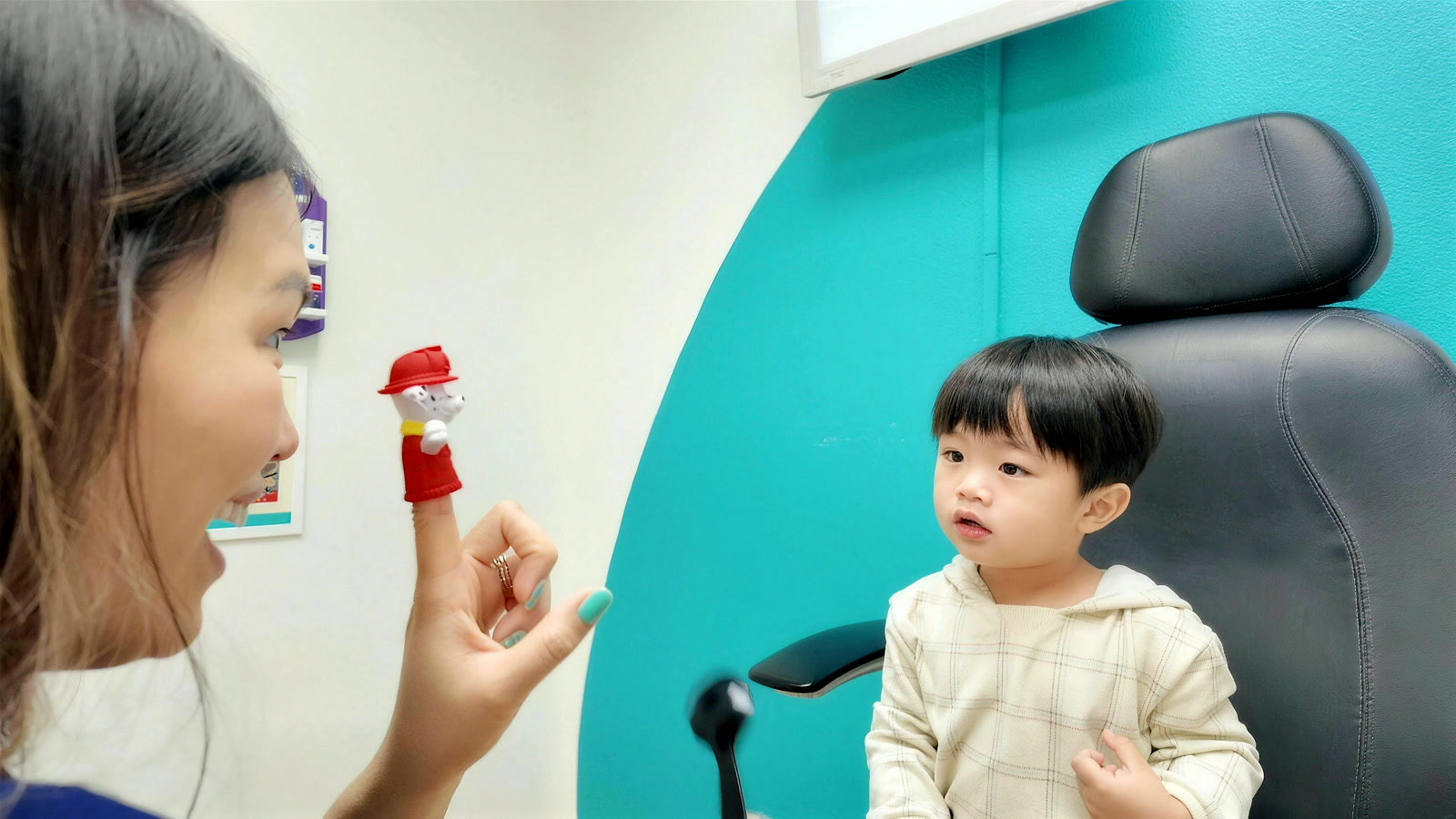
Finger puppets, patience, and zero pressure — Dr. Tran makes young patients feel completely at ease (parents regularly say the visit was easier than a haircut).
Visual acuity, eye teaming and tracking, focusing ability, and full eye health — adapted to your child's age.
If your child's nearsightedness is climbing, we'll talk honestly about myopia management options that can slow it down.
Common questions
Yes. School screenings check distance sharpness only; they miss focusing, eye-teaming, and eye-health problems that affect reading and learning.
With age-appropriate methods — picture charts, matching games, and objective measurements that don't require any reading at all.
When clinically indicated, yes — it's painless, and we'll walk you through what to expect afterward.
We stock durable, comfortable children's frames kids actually want to wear — with impact-resistant lenses built for playgrounds.
Most vision and medical plans cover children's exams. We verify your benefits before the visit.
Gentle, thorough, kid-approved.
Book an Eye Exam Call (512) 885-2134
Serving families across Round Rock, Pflugerville & the Austin metro
Related care